Top 10 Home Health Supplies for Global Buyers

Choosing home health supplies for a clinic, care agency, or family requires more than comparing prices. The right items can make daily routines safer and less stressful. A roll of skin-friendly tape, a reliable thermometer, and gloves that fit properly can each make a practical difference. Small details matter.

Florence Nightingale, a nursing reformer whose work shaped modern care, wrote in Notes on Hospitals, “The very first requirement in a hospital is that it should do the sick no harm.” That principle still offers a useful lens for evaluating home health supplies. Buyers should look at intended use, clear instructions, material quality, storage needs, and dependable product information. No single checklist suits every home. Needs vary with mobility, health conditions, caregiver experience, and access to follow-up support.

This guide introduces ten commonly used supply categories, from first-aid basics and monitoring devices to mobility aids and protective products. It is designed to help global buyers ask better questions, not to replace clinical advice. Product names and availability can differ by market, so confirm local labeling and suitability with qualified care professionals. Price matters, but the cheapest option may not be the most practical over time. And a polished product page is not proof of quality. Compare specifications carefully, especially when instructions seem vague or incomplete.

Top 10 Home Health Supplies for Global Buyers

Global Demand: WHO Projects 1 in 6 People Will Be 60+ by 2030

The World Health Organization projects that one in six people worldwide will be aged 60 or older by 2030, up from one in eleven in 2019. It also estimates this population will reach 1.4 billion. These figures point to growing demand for practical home-care supplies, but age alone does not determine what someone needs. A person recovering from surgery may need a shower chair and wound dressings; someone with limited mobility may rely on a walker, a wheelchair, or grab bars beside the toilet.

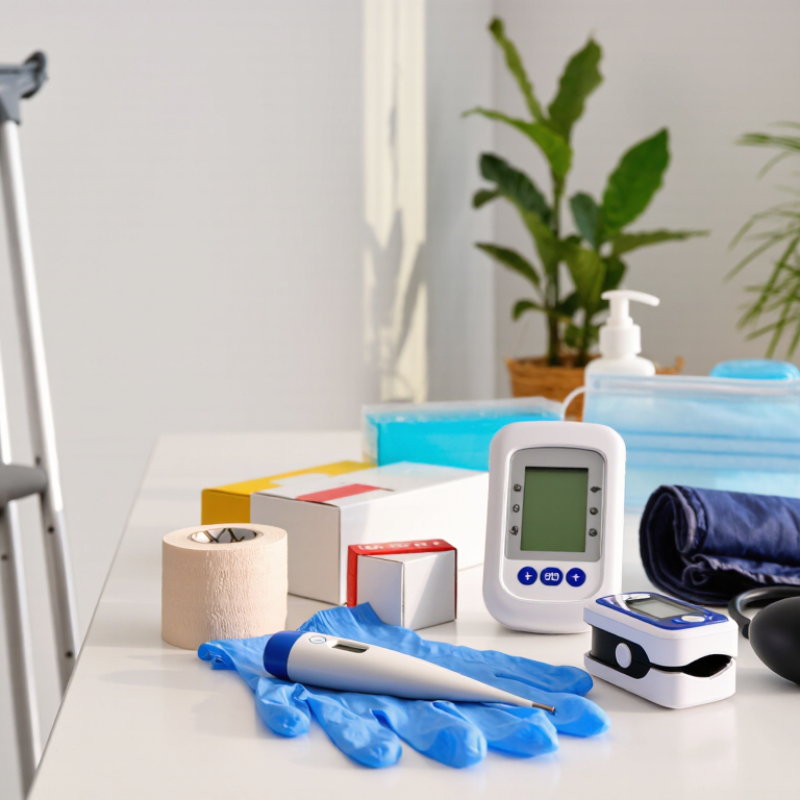
Useful home-health essentials can include a blood pressure monitor, thermometer, pulse oximeter, medication organizer, incontinence products, and an adjustable bed. Details matter. A shower chair must fit the tub, and grab bars need secure installation. WHO guidance on healthy ageing emphasizes functional ability, not just years lived, so buyers should consider daily routines and ask care professionals when equipment choices are unclear. Small print is easy to overlook.

The United Nations’ World Population Prospects 2022 also documents continued global population ageing, though needs and purchasing power vary widely by region. That makes a single “best” supply list imperfect. Buyers should check measurement units, language instructions, replacement-part availability, and whether products suit local care practices. A low-cost monitor is not automatically a good fit if its display is difficult to read or its instructions are confusing. These checks can make a real difference at home.

Top 10 Home Health Supplies for Global Buyers

Global demand context: The World Health Organization projects that 1 in 6 people worldwide will be aged 60 or older by 2030.

Buyer guide: These categories support common home-care needs. Product suitability depends on the user’s condition, local regulations, care plan, and instructions for use; this is not a clinical ranking.
No. Supply category Typical home-care use Key procurement checks Practical buyer note
1 Digital thermometers Measuring body temperature at home. Measurement method, units (°C/°F), display readability, cleaning instructions, and applicable market requirements. Oral, underarm, and ear methods are not interchangeable; follow the device instructions for the selected method.
2 Automated blood pressure monitors Recording blood pressure readings for home monitoring. Independent validation, upper-arm or wrist design, cuff-size range, memory features, and language options. A cuff that fits correctly is important for reliable readings. Buyers can check recognized device-validation listings and local guidance.
3 Pulse oximeters Estimating blood oxygen saturation and pulse rate from a fingertip sensor. Intended user population, display clarity, alarm functions, operating instructions, and applicable regulatory status. Readings can be affected by factors such as circulation, skin temperature, skin pigmentation, and nail polish. A reading is not a substitute for medical assessment.
4 Blood glucose meters and test strips Checking blood glucose as part of a diabetes care plan. Meter-and-strip compatibility, strip availability, storage conditions, expiry dates, sample requirements, and units displayed. Test strips are system-specific. Confirm ongoing local availability and follow the meter’s instructions for storage and use.
5 Mobility aids: canes and walkers Providing support during standing and walking. Adjustable height, handle comfort, weight capacity, stability, replacement tips or wheels, and fit for the user and environment. Correct sizing and instruction matter. A clinician or trained professional can help assess fit and safe use.
6 Adult incontinence pads and briefs Managing urinary or fecal incontinence and supporting personal care. Waist or hip sizing, absorbency level, product shape, skin-contact materials, packaging, and disposal guidance. Fit and timely changes can support comfort and skin care. Choose a product based on the person’s needs and care routine.
7 Wound dressings and bandages Covering and protecting wounds as directed in a care plan. Size, dressing type, packaging integrity, sterility where required, shelf life, and storage conditions. Dressing choice depends on the wound and care instructions. Seek professional advice for worsening wounds or signs of infection.
8 Shower chairs and bathroom safety aids Supporting seated bathing and reducing some bathroom access risks. Weight capacity, seat dimensions, drainage, non-slip feet, corrosion resistance, assembly, and compatibility with the bathroom layout. Grab bars and other fixed supports need secure installation appropriate to the wall structure; a loose fitting can create a hazard.
9 Disposable medical examination gloves Serving as a barrier during specified personal-care or clinical tasks. Intended use, material, size range, relevant conformity documentation, packaging, and local import requirements. Gloves do not replace hand hygiene. Confirm whether the selected glove type is appropriate for the task and the user’s sensitivities.
10 Nebulizers Delivering prescribed liquid medication as an inhaled mist when a nebulizer is part of the care plan. Prescribed use, power supply and plug compatibility, cleaning instructions, replacement accessories, noise level, and local service support. Use only medication and treatment instructions prescribed for the patient. Cleaning and maintenance should follow the device instructions.

Home Health Supply Categories: Monitoring, Mobility, Safety and Daily Care

Top 10 Home Health Supplies for Global Buyers

Home health supplies work best when they match a person’s routines, risks, and living space. Monitoring essentials include digital thermometers, blood pressure monitors, and pulse oximeters. They can help track changes, but a reading alone cannot diagnose a condition. Keep devices clean, follow the instructions, and share concerning results with a qualified health professional. Small details matter.

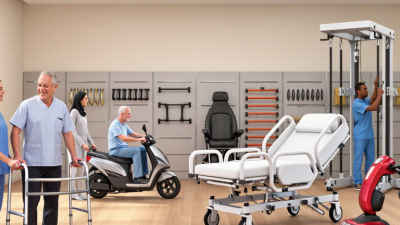
Mobility and safety supplies include canes, walkers, transfer aids, grab bars, non-slip mats, and brighter hallway lighting. Check doorway widths and floor surfaces before choosing equipment; a walker that cannot turn easily may create a new hazard. The World Health Organization’s 2022 Global Report on Assistive Technology estimates that 2.5 billion people need one or more assistive products, while nearly one billion lack access. Daily-care items—such as bathing aids, dressing tools, and continence supplies—can support comfort and independence. Fit comes first. WHO also reports that falls cause about 684,000 deaths annually, with 37.3 million falls requiring medical attention. These figures underline why stable handholds and clear walking paths matter, though no checklist fits every home.

Ten Essentials: Blood Pressure Monitors, Walkers, Hospital Beds and More

Reliable home care depends on supplies that fit the person, the room, and daily routines. A blood pressure monitor should have a correctly sized cuff and clear instructions. A walker needs stable grips and a height that lets the user stand comfortably. Hospital beds offer adjustable positioning, while a pressure-redistributing mattress can improve comfort during extended bed rest. Fit matters.

A wheelchair supports mobility beyond the bedroom, but doorways and turning space should be measured before purchase. A transfer belt can assist with guided movement when caregivers know how to use it safely. A bedside commode reduces nighttime trips, and a shower chair adds support on wet surfaces. A pulse oximeter provides a spot reading, not a diagnosis. Wound-care supplies, such as clean dressings and gloves, should match guidance from a qualified clinician.

Global buyers should check dimensions, weight limits, power requirements, language options, and access to replacement parts. Packaging can look suitable while the equipment proves awkward at home. A tape measure and a short room sketch help. Care needs also change, sometimes faster than expected. Ask a healthcare professional to confirm which devices suit the user, and have caregivers practice setup and safe use before relying on them.

Rehabilitation Needs: WHO Estimates 2.4 Billion People Could Benefit

The World Health Organization estimates that 2.4 billion people could benefit from rehabilitation. The figure spans many conditions, ages, and levels of support. A vast need. For some people, recovery happens partly at home, where a safe path to the bathroom matters as much as a therapy session.

Useful home health supplies can include walking aids, transfer boards, shower chairs, adjustable supports, and resistance bands. The right choice depends on the person’s goals, strength, balance, and living space. A narrow hallway may make a standard walker awkward; a slippery bathroom floor can turn a simple transfer into a risk. A clinician or rehabilitation professional can help assess fit and safe use. Equipment alone is not a care plan.

Global buyers also need to consider clear instructions, replacement parts, cleaning requirements, and whether products can be adjusted for different users. These details are easy to overlook when comparing prices. Not every household has room for bulky equipment, and not every user can follow small-print guidance. Better access starts with practical, well-fitted supplies, but access is still uneven. That gap deserves more attention.

Global Buying Criteria: Check ISO 13485 and Market-Specific Regulations

Global buyers should treat compliance as a purchasing criterion, not a final paperwork check. ISO 13485 covers quality management systems for medical devices. It is useful evidence, not universal product approval. Ask for the current certificate, its issuing body, covered manufacturing site, and product scope. A certificate for one facility may not cover another. Check the details.

Requirements differ by destination and product type. A blood pressure monitor, thermometer, and walking aid may face different registration, labeling, testing, or import-document rules. Confirm the device’s classification and required approvals with the relevant national authority or a qualified local adviser. Check label language, instructions for use, electrical safety records, and any limits on health claims. Small details matter. A translated box does not always mean the instructions meet local requirements.

Request traceable test reports and a clear process for complaints, recalls, and corrective actions. Ask who handles these after delivery, not only before shipment. Review expiry dates, storage conditions, and spare-part availability where relevant. Paperwork can look complete while a key site or model is missing from its scope. That is easy to overlook, and buyers should verify rather than assume.

©2024 Home Health Solutions by The Medicine Shoppe
cross linkedin facebook pinterest youtube rss twitter instagram facebook-blank rss-blank linkedin-blank pinterest youtube twitter instagram