Choosing home health care supplies is not simply a matter of finding the lowest price. The right product must match a person’s abilities, home layout, treatment plan, and daily habits. A walker that feels stable in a clinic may scrape against a narrow hallway. A shower chair may look strong, yet fail to fit safely inside the bathtub. Small details matter.
Geriatrician Dr. Mary Tinetti has emphasized, “What matters most to older adults is maintaining their independence and quality of life.” That principle should guide every purchase. Home health care supplies should support dignity, not create unnecessary dependence. Before buying, consider weight limits, adjustment options, cleaning requirements, storage space, and caregiver access. Check the instructions carefully. Ask a qualified healthcare professional when the product affects mobility, breathing, wound care, or medication routines.
Real homes are unpredictable. Floors become wet. Batteries run low. A caregiver may need to use the equipment before breakfast, when attention is limited. A strong selection process tests these ordinary moments, not only ideal conditions. Still, no checklist is perfect. People’s needs can change after an illness, fall, or hospital discharge. Review supplies regularly, and replace damaged items promptly. The most reliable choice is usually practical, clearly labeled, and easy to use. It may not be the newest option. That is worth remembering.
Home health care supplies should match the person’s condition, routine, and living space. Start by defining the type of help required. Basic monitoring supplies may include a thermometer, blood pressure monitor, pulse oximeter, or blood glucose equipment. These tools can reveal changes before symptoms become severe. However, incorrect use can create false reassurance. Ask a healthcare professional to demonstrate proper technique.
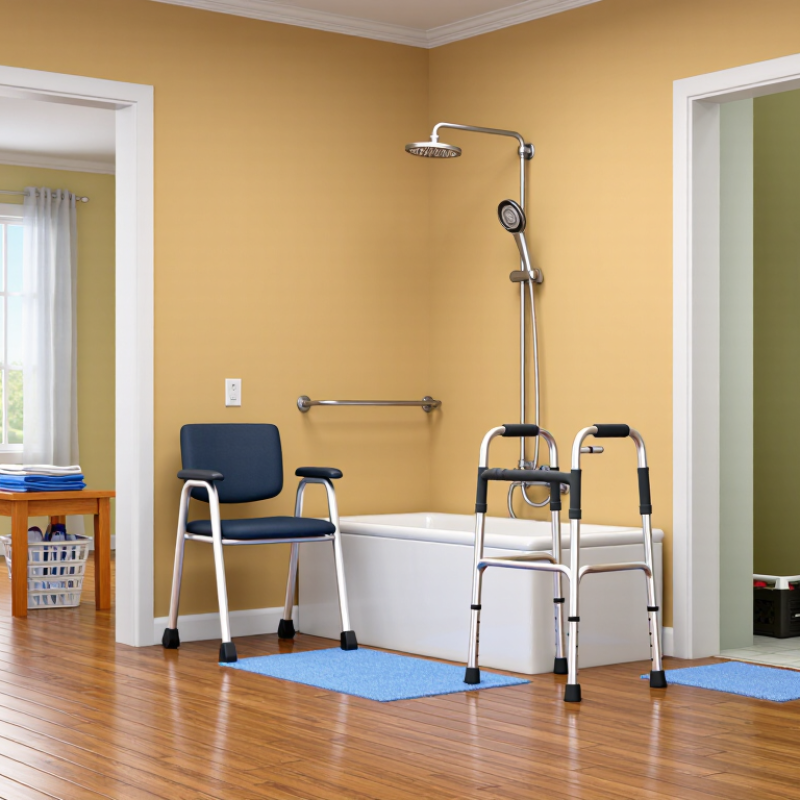
Mobility and safety supplies support movement around the home. Walking aids, transfer benches, grab bars, and non-slip floor materials can reduce fall risks. Measure doorways and bathroom spaces before purchasing anything. A device that looks suitable online may block a narrow hallway. Wound care supplies are another category, including sterile dressings, medical tape, cleansing materials, and disposal containers. Follow the care plan carefully, especially when wounds show increasing redness, swelling, odor, or drainage.
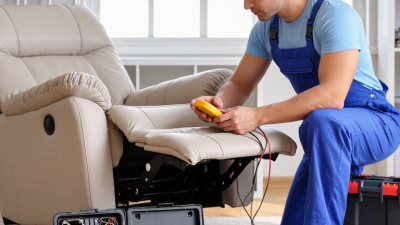
Daily living supplies can make personal care less tiring. These may include incontinence products, shower chairs, adaptive utensils, and reacher tools. Medication organizers can help, but they should not replace professional medication review. Respiratory supplies require extra caution, since tubing, filters, and electrical equipment need regular inspection. Keep instructions nearby. Check expiration dates and damaged packaging during each restocking visit. I once underestimated storage space for bulky supplies, so planning shelves early would have prevented unnecessary clutter. Needs can also change after surgery, illness, or improved strength. Reassess the list with a qualified clinician rather than buying everything at once.
Choosing home health care supplies starts with the person, not the product. Assess medical needs, mobility, and daily routines together. The World Health Organization reports that one in six people worldwide will be aged 60 or older by 2030. Age alone does not determine support needs. A person may walk independently but struggle with bathing, dressing, or managing medications. Ask where difficulty occurs: beside the bed, inside the shower, or during toilet transfers. Small clues matter.
Mobility assessment should include balance, endurance, hand strength, and fall history. The Centers for Disease Control and Prevention reports that more than one in four adults aged 65 and older fall each year. A loose bath mat, low chair, or poorly positioned walking aid can increase risk. Measure doorways, bed height, and bathroom clearance before ordering supplies. Equipment must fit the user and the home. It should also be checked by a qualified clinician when transfers are unsafe.
Daily living requirements deserve equal attention. Can the user open containers, reach shelves, prepare food, and call for help? Consider memory loss, vision changes, continence, wound care, and caregiver availability. The Agency for Healthcare Research and Quality emphasizes person-centered planning and safe transitions in home care. A checklist helps, but it can miss fatigue or embarrassment. Needs change. Reassess after illness, a fall, or reduced independence. Sources: WHO, Ageing and Health; CDC, Older Adult Fall Prevention; AHRQ, Care Coordination.
Assess the user’s medical, mobility, and daily living requirements before selecting home health care supplies.
The chart uses a 1–5 priority scale, where 1 indicates low priority and 5 indicates high priority. Medical needs include medication management and monitoring, mobility needs include safe transfers and fall prevention, and daily living needs include bathing, toileting, dressing, and meal preparation. A clinician or occupational therapist should confirm the final supply selection for the individual’s condition and home environment.
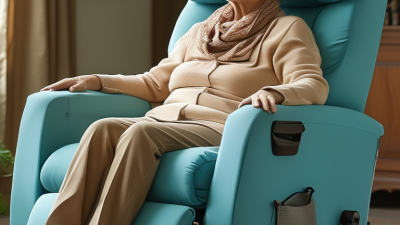
Safety should guide every purchase, especially when a product touches skin or supports movement. Check weight limits, stable bases, non-slip surfaces, and clear usage instructions. For mobility aids, the correct height matters. A poorly adjusted handle can strain the shoulders or cause a fall. Ask a qualified healthcare professional to assess fit when possible. Small details matter.
Comfort affects whether someone uses the supply consistently. Look for breathable fabrics, smooth seams, padded grips, and adjustable closures. A transfer belt may feel secure but should not restrict breathing. Incontinence products should protect the skin without trapping excessive moisture. Test one item before buying several. Comfort is personal.
Quality means more than an attractive package. Inspect stitching, hinges, seals, and connection points. Reliable products usually provide traceable instructions, care information, and appropriate safety testing. Ease of use matters for both the user and the caregiver. Can the person open it with limited hand strength? Can it be cleaned without special equipment?
A complicated design may fail during a rushed morning. I sometimes focus too much on features and overlook routine handling. That mistake is worth reconsidering.
Choose supplies that fit the person’s condition, home layout, and daily abilities. Recheck them regularly for cracks, odor, loose parts, or reduced support.
Choosing home health care supplies should begin with product fit, not appearance. The World Health Organization’s Global Report on Assistive Technology estimates that 2.5 billion people need assistive products worldwide. That number may reach 3.5 billion by 2050. A poor fit can create pressure, slipping, leakage, or unsafe movement. Measure the user’s height, weight, body area, doorway width, and available storage space. Follow the manufacturer’s measurement chart, but do not treat it as perfect. Bodies change.
Compatibility matters just as much. Check connector types, tubing sizes, weight limits, voltage, battery requirements, and bed or chair dimensions. For feeding, drainage, or respiratory equipment, confirm that every connection matches the prescribed system. The U.S. Food and Drug Administration has repeatedly emphasized standardized connectors to reduce misconnections in medical devices. A nurse, therapist, or pharmacist can verify these details before purchase. Ask whether replacement parts remain available. A missing seal can stop useful equipment from working.
Required features depend on daily routines. Look for washable surfaces, clear instructions, stable brakes, adjustable supports, and readable controls. The Agency for Healthcare Research and Quality identifies usability and device-related mistakes as important patient-safety concerns. I once underestimated how difficult a small control button could be for someone with weak fingers. That detail mattered more than the product’s advertised features. Test the supply in the actual room, with the person’s usual clothing and mobility level. Convenience is not always compatibility.

How to Choose Home Health Care Supplies?
Cost is more than the price on a product page. Compare the purchase price, delivery fee, replacement parts, and disposable items. A low-cost device may need expensive filters or batteries every month. Ask for a written estimate covering three to six months. Include setup and training fees. This simple step can expose unpleasant surprises. I once focused too heavily on the initial price, then noticed maintenance costs exceeded my estimate. That mistake changed how I compare supplies.
Maintenance affects safety, comfort, and long-term value. Check whether tubing, cushions, wheels, or seals require regular replacement. Read the cleaning instructions before buying. Some supplies need daily washing, while others require approved disinfectants. Look for clear guidance, accessible spare parts, and a service process that users can understand. Record cleaning dates in a small notebook. It sounds excessive, but routines are easy to forget during stressful weeks. A qualified healthcare professional should confirm that the equipment suits the user’s condition and living space.
Supplier reliability deserves careful attention. Review delivery timelines, return conditions, warranty coverage, and customer support hours. A dependable supplier explains limitations instead of making exaggerated promises. Check whether trained staff answer technical questions clearly. Independent reviews can help, but repeated complaints about missing parts deserve attention. Ask how urgent replacements are handled. A supplier with transparent records and consistent communication is usually safer than one offering the biggest discount. Availability matters. Especially at night.