Choosing the top bariatric lift chair for global buyers requires more than comparing prices or attractive upholstery. The right chair should support higher weight capacities, stable transfers, comfortable positioning, and daily independence. It should also fit the user’s body, room, doorway, and care routine. Small details matter. A wide seat, reinforced frame, quiet motor, firm armrests, and emergency battery backup can change the entire experience.
Rehabilitation seating specialist Dr. Sarah Whitfield explains, “A bariatric lift chair should support the person, not simply lift the weight.” That principle keeps the buying decision practical. Buyers should check tested capacity, seat width, seat depth, lift angle, reclining range, warranty coverage, and replacement-part availability. Global customers must also confirm voltage compatibility and local service support before ordering. Specifications can look impressive. They may still hide uncomfortable cushions or weak footrests. That is where careful comparison becomes essential.
A reliable bariatric lift chair should feel steady during standing and sitting. The upholstery should resist daily wear, while removable sections can simplify cleaning. Users may prefer heat or massage functions, but these features should never replace structural safety. Not every popular model suits every body. That is an easy mistake.
This guide compares leading options for international buyers. It considers comfort, durability, accessibility, maintenance, and long-term value. Some judgments remain subjective. Seat firmness, control placement, and fabric texture can feel different from one person to another. A thoughtful purchase therefore combines manufacturer data with real user needs. Safety comes first. Dignity matters too.
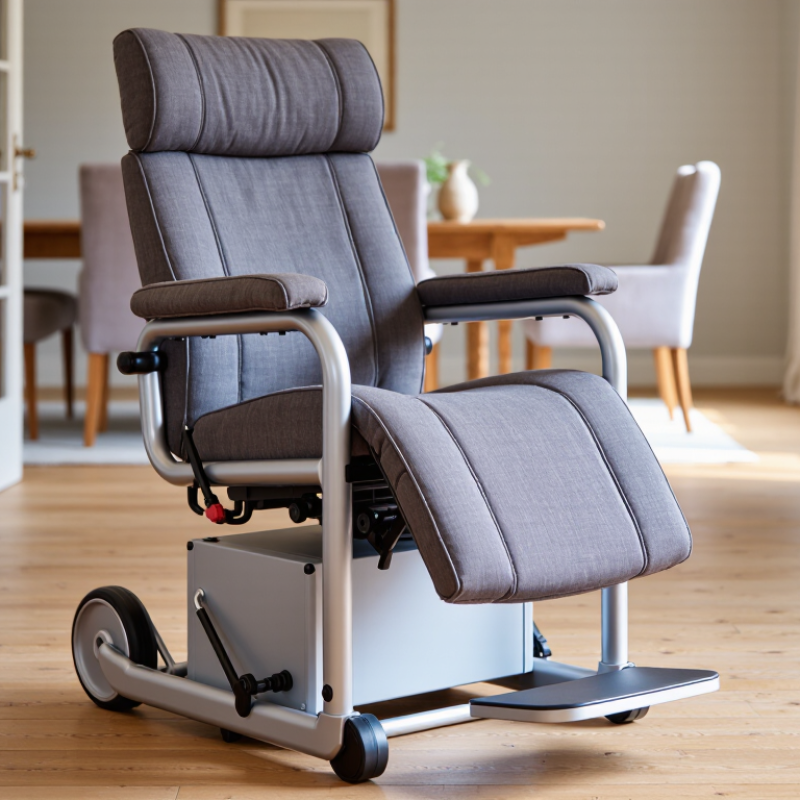
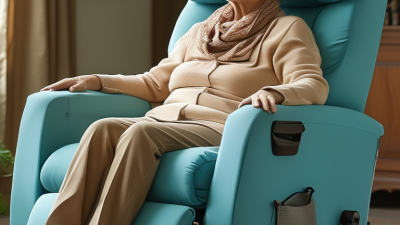
A bariatric lift chair is a powered recliner built for larger body sizes and reduced mobility. It helps a user stand by raising the seat and tilting forward. Many models support 300 to 700 pounds, but capacities differ greatly. A wider seat, reinforced frame, stronger motor, and stable footrest matter more than appearance. The chair should support the user’s weight with a safety margin, not merely meet it.
The need is substantial. The CDC’s National Health and Nutrition Examination Survey, 2021–2023, reported adult obesity at 40.3% in the United States. Severe obesity affected 9.4% of adults. Globally, the World Health Organization reported that one in eight people lived with obesity in 2022. However, body size alone does not decide suitability. People with arthritis, muscle weakness, balance problems, or recovery-related limitations may also benefit. A clinician or occupational therapist should assess transfers, hip width, leg length, and room layout. A chair can help, but it cannot correct every fall risk.
Tips: Measure doorways first. Check the seat width and depth. Confirm the tested weight capacity. Leave space behind the chair. Keep the remote within easy reach. Ask whether the motor has a backup plan during power loss. Specifications can be confusing, and I would not trust a “heavy-duty” label without independent testing details. Purchase decisions deserve a little skepticism.
A high-quality bariatric lift chair begins with a strong, stable frame. Buyers should check the tested weight capacity, not only the advertised figure. A generous safety margin supports daily transfers and reduces mechanical strain. Reinforced joints, wide armrests, and a balanced base improve confidence during movement. Measure twice. A chair may be strong, yet still feel cramped.
Seat dimensions deserve equal attention. The cushion should support the hips without pressing against the knees. Firm foam can help standing, while excessive softness may cause sinking. Breathable, easy-clean upholstery is practical for frequent use. Smooth lift movement matters more than speed. A quiet motor is also valuable in bedrooms or shared spaces. Look for simple controls with raised buttons and clear direction markings.
Reliable chairs should include overload protection, secure foot support, and documented performance testing. Ask the supplier for material details, inspection records, and replacement-part availability. These details reveal more than polished product photos. From a professional assessment perspective, user height, transfer ability, and room layout must guide selection. A stronger motor is not always better. I once overlooked armrest spacing, and that small mistake affected comfort more than expected. Leave enough clearance around the chair for safe reclining and assisted standing. Test the fit with the actual user whenever possible.
Choosing a bariatric lift chair begins with the user, not the product image. Measure hip width, seat depth, room clearance, and doorway access. A chair should support the user without pressing against the hips. Check its tested weight capacity, frame construction, lift mechanism, and recline positions. Measure twice.
Look for smooth lifting motion and stable foot support during transfers. The remote should have clear buttons and simple operation. Ask whether the motor includes overload protection and whether a battery backup is available. Small details matter. Power systems differ between countries, so verify voltage, frequency, plug type, and adapter requirements before ordering. Confirm that replacement parts and technical service are available locally.
Global buyers should also examine shipping protection, assembly instructions, warranty terms, and return conditions. Upholstery must suit the local climate; breathable fabric may perform better in humid rooms. A wider seat is not always safer if it reduces posture control. The lowest delivered price can hide import fees, difficult repairs, or missing accessories. Request written specifications and independent test documentation where possible. No checklist is perfect, and comfort can still be subjective. A short trial period or showroom assessment may prevent an expensive mistake.
Top Bariatric Lift Chair for Global Buyers?
Safety, Comfort, Materials, and Weight Capacity Considerations
A reliable bariatric lift chair should feel stable before it moves. Check the anti-tip base, reinforced frame, guarded hinges, and smooth motor response. The hand control should have large, clearly marked buttons and a secure cable. Emergency battery backup can help during a power interruption, but buyers should verify its actual operating limits. Ask for load-testing records, not only a capacity number printed in a catalog. Small details matter.
Comfort is more than thick padding. A wider seat, firm edge support, adjustable head positioning, and a footrest that supports the entire leg can reduce pressure during long sitting. High-density foam usually resists early sagging, while breathable fabric may feel cooler than coated upholstery. Coated materials clean easily, but they can feel warm against bare skin. I once underestimated seat depth; a soft chair still felt awkward when the user’s feet could not rest flat.
Weight capacity must include the person, clothing, blankets, and any items placed on the chair. Leave a meaningful safety margin. Compare the seat width with the user’s hip measurement, then check the frame’s certified capacity separately. Manufacturing quality can vary between production batches, so request inspection photos, warranty terms, replacement-part availability, and clear electrical specifications. Measure twice. Shipping damage, doorway width, and installation space deserve equal attention.
| Evaluation Dimension | Typical Data or Recommended Range | Why It Matters to Global Buyers | What to Verify Before Purchase |
|---|---|---|---|
| Rated Weight Capacity | Common heavy-duty ratings range from approximately 300 to 700 lb (136 to 318 kg). | The published capacity must exceed the user’s body weight and account for clothing, blankets, medical equipment, and movement during transfers. | Confirm that the rating applies to the complete chair, not only the lifting motor or frame. Request a test report or technical specification sheet. |
| Frame Construction | Reinforced steel or hardwood frames are commonly used for higher-load seating. Structural joints should be secured with bolts, brackets, or reinforced joinery. | A stronger frame improves stability during sitting, standing, and repeated lift cycles. | Check frame material, joint design, base stability, weld quality, and whether the chair has been tested at its maximum rated load. |
| Lift Mechanism | Electric linear actuators are widely used. Single-motor systems usually control lift and recline together; dual-motor systems can control the backrest and footrest independently. | Independent adjustment can improve positioning, pressure relief, and transfer comfort, especially for users with limited mobility. | Verify motor count, actuator noise, lifting speed, emergency lowering provisions, replacement-part availability, and rated duty cycle. |
| Seat Width | Heavy-duty models commonly offer an internal seat width of about 20 to thirty inches (51 to 76 cm), depending on the design. | Adequate width helps prevent side pressure while still providing enough lateral support for safe repositioning. | Measure the usable cushion width rather than the outside width. Compare it with the user’s hip width plus comfortable clearance. |
| Seat Depth and Height | Typical seat depths are approximately 19 to 23 inches (48 to 58 cm), with seat heights often around 18 to 21 inches (46 to 53 cm). | Correct dimensions support the thighs, keep the feet stable, and reduce sliding or excessive knee strain during transfers. | Confirm cushion compression under load, distance from the backrest to the front edge, and whether the user’s feet can rest fully on the floor. |
| Stability and Anti-Tip Design | A wide base, low center of gravity, and controlled lifting motion are important design features for bariatric seating. | Stability reduces the risk of rocking or tipping when the chair moves from sitting to standing. | Ask for base dimensions, anti-tip details, maximum recline position, floor-clearance requirements, and stability-test information. |
| Recline and Lift Positions | Many powered lift chairs provide upright, lift, reading, reclined, and rest positions. The exact backrest angle varies by model. | Multiple positions allow users to change posture and may support rest, reading, feeding, or recovery activities. | Check the actual operating range, whether the footrest fully supports the legs, and whether the chair can return to an upright position during a power interruption. |
| Upholstery Materials | Common options include woven polyester fabric, polyurethane-coated fabric, PVC, and genuine leather. Breathable fabric generally improves ventilation, while coated surfaces simplify cleaning. | Material choice affects comfort, temperature control, cleaning effort, durability, and suitability for humid or high-use environments. | Request abrasion, seam, stain-resistance, hydrolysis, and cleaning-test information. Confirm that cleaning agents will not damage the surface coating. |
| Cushioning and Pressure Distribution | High-resilience foam, layered foam, pocketed support systems, or additional seat overlays may be used. Foam density and firmness should be stated by the supplier. | Appropriate cushioning can improve comfort during extended sitting and help reduce concentrated pressure points. | Ask for foam density, firmness, cushion thickness, compression-recovery data, and whether the cushion can be replaced. |
| Electrical Safety | Powered chairs normally use a low-voltage motor system supplied by an external power adapter. Input voltage commonly depends on the destination market. | Electrical compatibility and protection against overload, short circuit, and overheating are essential for international shipments. | Verify destination voltage and frequency, plug type, adapter certifications, fuse or overload protection, cable routing, and applicable local safety requirements. |
| Emergency Power and Manual Release | Some models provide a battery backup or external emergency power connection; availability and operating capability vary. | A backup option can help return the chair to a safer position during a power outage. | Confirm whether the backup supports one complete lift cycle or only lowering, battery type, charging method, storage life, and replacement cost. |
| Control Handset | Typical controls include lift, recline, footrest, stop, and sometimes USB charging. Large buttons and high-contrast labels are beneficial. | Simple controls improve accessibility for users with reduced vision, dexterity, or cognitive ability. | Check button size, cable length, water resistance, child-lock options, handset replaceability, and whether the chair stops immediately when a button is released. |
| Noise and Operating Smoothness | Motor noise and movement speed vary by actuator, load, gear design, and chair geometry. A specific decibel value should be supplied by the manufacturer. | Quiet, gradual movement improves comfort and reduces anxiety during lifting or reclining. | Request measured noise data, lifting time at rated load, vibration information, and a demonstration under realistic user weight. |
| Cleaning and Infection Control | Wipe-clean coated upholstery is generally easier to maintain than absorbent textiles. Removable covers may simplify routine cleaning. | Easy-to-clean surfaces are valuable in homes, care facilities, clinics, and other high-use environments. | Obtain written cleaning instructions, approved disinfectants, seam construction details, liquid-resistance data, and replacement-cover availability. |
| Accessibility and Transfer Clearance | Useful features may include side pockets, large armrests, a firm seat edge, a stable footrest, and sufficient space around the chair. | Good accessibility supports safer transfers and reduces dependence on caregivers. | Measure doorways, lift access, room clearance, armrest height, footrest extension, and the distance required behind the chair when reclining. |
| Packaging and Shipping | Bariatric lift chairs are usually bulky and heavy. Shipping weight can be substantially higher than the net chair weight. | Packaging dimensions affect freight cost, customs handling, warehouse storage, and delivery access. | Confirm packed dimensions, gross weight, pallet requirements, assembly steps, damage-protection materials, and delivery terms for the destination country. |
| Warranty and Spare Parts | Important service items include the frame, motor, control handset, power adapter, transformer, upholstery, and electrical components. | Reliable after-sales support can reduce downtime and total ownership cost. | Review warranty duration by component, exclusions, response time, spare-parts stock, repair procedure, and availability of local service technicians. |
| Compliance Documentation | Documentation may include electrical test reports, user instructions, risk assessments, material declarations, and applicable market-specific conformity documents. | Import requirements differ by country, and missing documents can delay customs clearance or marketplace approval. | Request documents relevant to the destination market and verify that the model, power supply, labels, and test reports match the shipped product. |

Note: Specifications vary by chair design and destination market. Buyers should confirm all dimensions, capacity ratings, electrical requirements, safety documentation, and test results with the supplier before ordering.
Global demand for assistive products is substantial. The WHO Global Report on Assistive Technology estimates that 2.5 billion people need at least one assistive product. This figure may exceed 3.5 billion by 2050. Buyers should confirm user weight, seat width, transfer needs, and floor space before ordering. A comfortable chair is not automatically a safe chair.
Certification requires careful checking. CE marking may apply in some markets, but it is not a universal quality certificate. Ask for the Declaration of Conformity, electrical test reports, material information, and load-test evidence. Requirements can differ across the EU, United Kingdom, North America, and other regions. Confirm whether the chair is treated as furniture, an assistive product, or medical equipment. My checklist is useful, but it can still miss a local rule.
Shipping planning needs physical detail. Measure the packed carton, not only the chair. UNCTAD’s Review of Maritime Transport reports that shipping carries over 80% of global trade by volume. Moisture barriers, corner protection, carton drop testing, and clear Incoterms can prevent expensive disputes. After delivery, buyers should secure spare motors, hand controls, upholstery parts, and service instructions. A realistic warranty should state response times, replacement procedures, and technician responsibilities. Remote support helps, but it cannot repair every problem. Share repair videos and error codes. That sounds simple, yet many suppliers overlook it.