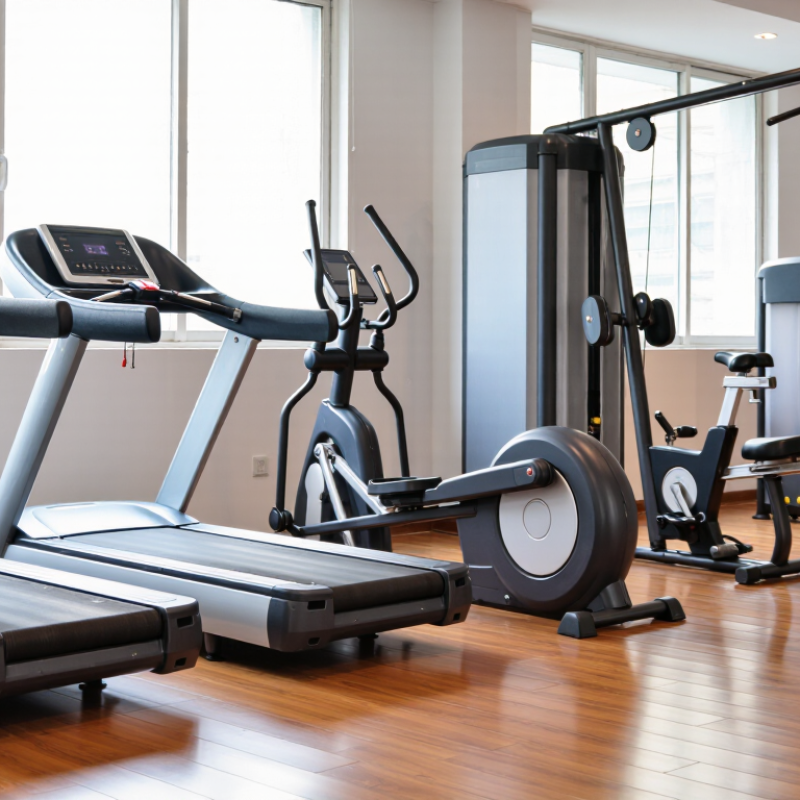
Choosing among Gym Machines is not simply a matter of counting screens, cables, or polished steel. The right equipment should match a user’s goals, movement experience, available space, and safety needs. A runner may value a treadmill’s speed control, while a beginner may feel more confident using a guided chest press. Small details matter, including adjustable seats, clear resistance settings, stable handles, and easy-to-reach emergency stops.
Industry data shows why this equipment remains important. The American College of Sports Medicine’s Worldwide Survey of Fitness Trends has repeatedly placed strength training, personal training, and technology-supported exercise among influential fitness directions. These trends reflect a broader demand for measurable, structured workouts. The International Health, Racquet & Sportsclub Association also reports continued global participation in health clubs, where cardio, strength, and functional equipment form the practical foundation of many facilities. The Global Wellness Institute’s 2024 Global Wellness Economy Monitor further identifies physical activity as a major and expanding wellness sector.
Still, popularity can mislead. A machine is not automatically effective because it looks advanced. Treadmills, ellipticals, stationary bikes, resistance machines, cable systems, and functional trainers each solve different problems. Their value depends on correct setup and consistent use. That point is often overlooked.
This guide examines the top types of Gym Machines and explains where each category fits. It considers training purpose, user accessibility, maintenance, space demands, and realistic gym-floor performance. Readers should also remember that manufacturer claims require careful comparison. Good equipment supports sound programming; it cannot replace it.
What Are the Top Types of Gym Machines?
How Gym Machines Are Classified by Training Purpose
Gym machines are best classified by what they help you train. Resistance machines build strength by guiding a fixed movement. A seated chest press, leg extension, or cable station can target specific muscles. They are useful for beginners because the path feels stable. However, fixed paths may not suit every body shape.
Cardio machines train endurance and cardiovascular capacity. Treadmills support walking or running, while bikes reduce impact on the knees. Rowing machines combine leg drive, pulling strength, and steady breathing. In practice, I have noticed that people often choose intense settings too quickly. That can reduce technique and make the session harder to repeat.
Functional machines develop coordination through adjustable resistance and wider movement patterns. Cable systems can train rotation, pulling, pressing, and balance. Some machines focus on mobility or recovery, using gentle resistance and controlled ranges. These tools may support warm-ups, rehabilitation plans, or movement practice. Professional guidance matters when pain, surgery, or a medical condition is involved. A machine is not automatically safer because it looks simple. Check the seat position, load, and joint alignment before starting. Small adjustments matter. The most suitable type depends on the training purpose, current skill, and how the body responds.
| Training Purpose | Machine Type | Primary Movement | Main Muscles or Systems Trained | Resistance or Energy Source | Typical Training Benefit | Common Use Considerations |
|---|---|---|---|---|---|---|
| Steady-State Cardio | Treadmill | Walking, jogging, or running | Lower-body muscles and cardiovascular system | Motor-driven moving belt | Improves aerobic endurance and supports calorie expenditure | Speed and incline should be increased gradually; impact may be higher when running. |
| Low-Impact Cardio | Elliptical Trainer | Striding with coordinated arm movement | Legs, glutes, arms, and cardiovascular system | Flywheel resistance, often electronically adjusted | Provides aerobic conditioning with reduced foot impact | Maintain an upright posture and use a comfortable stride length. |
| Cycling Endurance | Stationary Bike | Seated pedaling | Quadriceps, hamstrings, glutes, calves, and cardiovascular system | Pedal resistance through a flywheel or magnetic system | Builds cardiovascular fitness with relatively low joint impact | Adjust the seat so the knee remains slightly bent at the bottom of the pedal stroke. |
| Full-Body Conditioning | Rowing Machine | Leg drive followed by trunk and arm pull | Legs, back, shoulders, arms, and cardiovascular system | Air, water, magnetic, or hydraulic resistance | Develops endurance and coordinated full-body power | Use a sequence of legs, body, and arms; avoid rounding the lower back. |
| Stair-Climbing Cardio | Stair Climber | Repeated stepping upward | Quadriceps, glutes, hamstrings, calves, and cardiovascular system | Motor-driven rotating steps | Challenges lower-body muscular endurance and aerobic capacity | Keep most of the body weight on the feet rather than leaning heavily on the handles. |
| Upper-Body Strength | Chest Press Machine | Horizontal pushing | Pectoral muscles, anterior shoulders, and triceps | Weight plates or a selectorized weight stack | Builds pushing strength through a guided path | Set the seat so the handles are approximately level with the mid-chest. |
| Back and Pulling Strength | Lat Pulldown Machine | Vertical pulling | Latissimus dorsi, upper back, biceps, and forearms | Cable and weight stack | Improves upper-back and pulling strength | Pull the bar toward the upper chest without swinging or pulling it behind the neck. |
| Horizontal Pulling Strength | Seated Cable Row | Horizontal pulling | Middle back, rear shoulders, biceps, and forearms | Cable and weight stack | Supports back strength and scapular control | Keep the torso stable and avoid excessive backward leaning. |
| Lower-Body Pressing Strength | Leg Press | Knee and hip extension | Quadriceps, glutes, and hamstrings | Sled, lever, or weight stack | Develops lower-body strength with back support | Do not allow the lower back to round or the knees to collapse inward. |
| Knee-Extension Strength | Leg Extension Machine | Knee extension | Quadriceps | Lever arm and weight stack | Isolates the front thigh muscles | Align the machine pivot with the knee joint and use controlled repetitions. |
| Knee-Flexion Strength | Leg Curl Machine | Knee flexion | Hamstrings and calf muscles to a lesser extent | Lever arm and weight stack | Strengthens the back of the thighs | Adjust the roller above the ankle and keep the hips firmly supported. |
| Hip Abduction and Stabilization | Hip Abductor Machine | Moving the thighs outward | Gluteus medius, gluteus minimus, and other hip abductors | Padded lever arms and weight stack | Trains lateral hip strength and pelvic stability | Use a comfortable range and avoid forceful or jerky movement. |
| Shoulder and Upper-Back Isolation | Reverse Fly Machine | Horizontal shoulder abduction | Rear deltoids, rhomboids, and middle trapezius | Lever arms and weight stack | Supports posterior shoulder and upper-back strength | Keep the shoulders down and use a light enough load for strict control. |
| Core Strength and Trunk Control | Cable Machine | Pressing, pulling, rotation, or anti-rotation | Abdominals, obliques, back muscles, and limbs depending on the exercise | Adjustable cable and weight stack | Allows varied functional patterns and resistance angles | Choose a stable stance and keep the trunk controlled throughout the movement. |
| Functional and Multi-Joint Strength | Smith Machine | Guided squatting, pressing, or pulling | Muscles vary according to the selected exercise | Barbell fixed to vertical or angled guide rails | Provides external loading with a constrained bar path | Set safety stops correctly and remember that the fixed path may not suit every user. |
| Mobility and Rehabilitation Support | Low-Resistance Recumbent Bike | Seated or semi-reclined pedaling | Leg muscles and cardiovascular system | Pedal resistance through a flywheel or magnetic system | Offers supported aerobic activity and may be comfortable for some users with balance limitations | Medical or rehabilitation users should follow professional guidance and adjust the seat carefully. |

Cardio machines can improve endurance and support heart health when used consistently. I often begin with a treadmill because walking speed and incline are easy to control. A gentle incline can raise your heart rate without forcing you to run. Exercise bikes reduce impact and suit people with sensitive knees or balance concerns. Elliptical machines provide a smooth movement that trains both the arms and legs. Rowing machines involve more muscles, but technique matters greatly. Poor form can strain the lower back.
Keep the effort challenging but manageable. The talk test is useful: you should speak short sentences, not sing comfortably. Beginners might try twenty minutes at a steady pace, three times weekly. Small steps matter. Add time before adding intensity. Stair climbers can build strong cardiovascular endurance, though they may feel surprisingly demanding. I once increased resistance too quickly and finished exhausted, not fitter. That mistake reminded me that progress is not always dramatic. A chest-strap monitor can provide helpful data, but numbers are not perfect. Heart rate varies with sleep, stress, medication, and temperature. Anyone with a medical condition should seek professional guidance before changing exercise intensity. Allow a gradual warm-up and cool-down, and stop when pain feels sharp, unusual, or persistent.
Strength machines can make resistance training easier to control, especially when you are learning a new movement. A chest press machine trains the chest, front shoulders, and triceps through a guided pressing path. A seated row machine targets the upper back while supporting your torso. Adjust the seat until the handles align with your mid-chest or lower ribs. Small adjustments matter.
For the lower body, leg presses train the thighs, glutes, and hamstrings with stable back support. Leg extension and leg curl machines isolate the quadriceps and hamstrings more directly. I usually begin with a light set and check whether my knees track comfortably over my feet.
Pain is not a useful progress marker. Slow repetitions often reveal poor positioning before heavier weights hide it.
Cable stations add flexibility because the handles can move at different heights and angles. They suit exercises such as triceps press-downs, face pulls, and single-arm rows. Keep your ribs controlled and avoid swinging to finish a repetition. A professional trainer can help identify unsafe joint positions, but personal feedback still matters.
I once increased the weight too quickly and shortened every repetition; the numbers looked better, but the training quality clearly declined.
Record the machine setting, load, repetitions, and discomfort after each session. That simple log can guide safer progression and expose patterns that memory misses.
Functional training machines help the body coordinate strength, balance, and controlled movement. Unlike fixed-path equipment, they allow several movement directions. Cable stations are especially useful for presses, rows, rotations, and resisted walks. The adjustable pulley can match different body heights and exercise goals. That freedom matters.
Suspension trainers challenge stability through bodyweight movements and unstable hand positions. They can support assisted squats, split squats, push-ups, and core exercises. Functional trainers with dual cables offer smoother resistance for athletes and general gym users. A landmine station can develop pressing power and trunk control without forcing a rigid overhead path. In my coaching experience, small adjustments often change the exercise completely. A lower cable height may shift tension toward the hips. A wider stance may improve balance, but it can also hide weak control.
Movement quality should guide machine selection. Begin with light resistance and slow repetitions. Keep the ribs stacked over the pelvis, and avoid twisting through the lower back. A mirror can help, although it cannot replace skilled observation. Stability is not the same as standing still. It means controlling the body while reaching, stepping, pulling, or rotating. Some users progress too quickly. I have done that myself. When balance breaks down, reduce the load, shorten the range, or add support. The goal is useful movement, not impressive numbers.
Specialized gym machines do more than build muscle. They can restore movement, improve joint control, and support athletic performance. Recovery machines often include assisted stretching stations, low-resistance pedal systems, and gentle compression equipment. These tools help users move without placing heavy stress on painful areas. Slow progress matters.
Mobility machines guide the hips, shoulders, or ankles through controlled ranges of motion. Their fixed paths can help beginners understand proper alignment. However, a machine cannot replace professional assessment. In my coaching experience, users often chase a deeper stretch and ignore discomfort. That approach can create tension instead of useful mobility. Performance machines, such as cable systems, sled units, and rotational trainers, develop force, balance, and movement coordination. Adjust the load carefully. Quality beats speed.
Tips: Start with five minutes of easy movement. Set the machine to your body size. Keep the first session light. Notice sharp pain, numbness, or unusual swelling, and stop immediately. Record your range of motion and recovery response after training. A physical therapist or qualified trainer can help identify unsafe patterns, especially after injury. Some machines feel helpful because they are comfortable, but comfort alone does not prove effectiveness. Reassess regularly.
Estimated physical activity intensity of common machine-based exercises, measured in METs.
MET values represent the approximate energy cost of exercise compared with resting. Lower-intensity options are often suitable for recovery and mobility work, while higher-intensity machines are commonly used for cardiovascular conditioning and performance training.