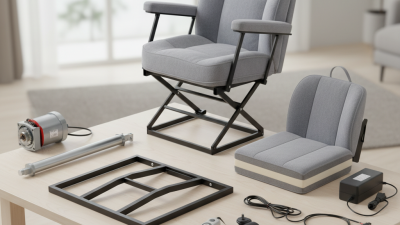
Selecting the right medical supply equipment is crucial for effective patient care. According to a report by Grand View Research, the global medical equipment market size was valued at over $450 billion in 2021. Choosing suitable equipment directly impacts treatment outcomes and patient safety.
Many hospitals and clinics face challenges when selecting medical supply equipment. With numerous options available, understanding specific needs is essential. For instance, equipment must meet both functional requirements and compliance with health regulations. Additionally, cost considerations and durability are also significant factors.
Research indicates that improper equipment choices can lead to increased complications. This often results in higher overall costs and subpar patient experiences. A recent study by the World Health Organization highlighted the importance of selecting the right tools to enhance healthcare quality. It underscores the need for thorough evaluation before making any purchasing decision.
Choosing the right medical supply equipment involves careful assessment of individual needs. Begin by evaluating your specific medical conditions. Research suggests that 70% of patients report better health outcomes when using appropriate equipment tailored to their situations. Take the time to list necessary features. This could include mobility aids, monitoring devices, or wound care supplies. Understanding the required specifications is crucial.
Consider the environment where the equipment will be used. Different settings may require different equipment. For example, a home care patient might benefit from lighter, more portable items. A report from the World Health Organization highlights that poor equipment choices can lead to complications in treatment. Engaging with healthcare professionals can provide tailored insights. They can recommend items suited to individual requirements, ensuring efficacy and comfort. Identify your needs, but also be open to reassessing your choices as conditions change.
Selecting the right medical supply equipment is crucial for effective healthcare. Key types of medical supply equipment should be understood before making a choice. This includes items like diagnostic tools, mobility aids, and wound care supplies. Each type serves specific needs for patients and caregivers.
Diagnostic tools encompass devices like thermometers and blood pressure monitors. They help track vital signs, which is essential for health assessments. Mobility aids, such as walkers and wheelchairs, support patient independence. They can enhance quality of life and safety at home. Wound care supplies, including dressings and antiseptics, are vital for proper healing and infection prevention.
It’s important to consider the intended use of each item. Not all tools will fit every patient. Some might need additional training to use effectively. Researching the best options can be overwhelming. Seeking professional advice can help narrow down choices. Balancing affordability and quality is often a challenge. Equipment must meet safety standards for reliability and performance. Take time to reflect on individual needs and circumstances when selecting supplies.
| Type of Equipment | Common Uses | Key Features | Considerations |
|---|---|---|---|
| Wheelchairs | Mobility assistance for individuals with mobility impairments | Adjustable footrests, foldable frames, lightweight materials | User weight capacity, size and maneuverability, indoor vs outdoor use |
| Hospital Beds | Provide comfort and accessibility to bedridden patients | Adjustable height, side rails, head and foot elevation | Weight capacity, motorized vs manual operation, ease of use |
| Oxygen Concentrators | Deliver oxygen therapy to patients with respiratory issues | Continuous flow options, portability, built-in alarms | Oxygen output level, power source, noise level |
| Walkers | Support for balance and stability in walking | Height adjustment, lightweight design, wheels or no wheels | User’s physical strength, intended use (indoor/outdoor) |
| Crutches | Assist in mobility while recovering from leg injuries | Ergonomic hand grips, adjustable height | User’s height and weight, type of crutches (axillary or forearm) |

When selecting medical supply equipment, evaluating quality and safety standards is crucial. Quality assurance starts with understanding regulatory certifications. Look for devices that comply with local and international standards. This often means checking if they have undergone rigorous testing. Such processes help ensure they are reliable and safe for patient use.
Not every product meets these high standards. Some suppliers may prioritize profit over quality. This can lead to equipment that fails when it’s needed most. Pay attention to reviews from healthcare professionals. Personal experiences can shed light on real-world performance. Ask questions: How long has the device been on the market? What do other users say about their reliability?
Documenting issues is also important. If a medical device has a history of problems, it's worth considering alternatives. Additionally, engage with healthcare experts who can share insights. These conversations can reveal which devices are trusted. Selecting the right equipment isn’t just about meeting needs. It’s also about ensuring the safety and well-being of those who rely on it.
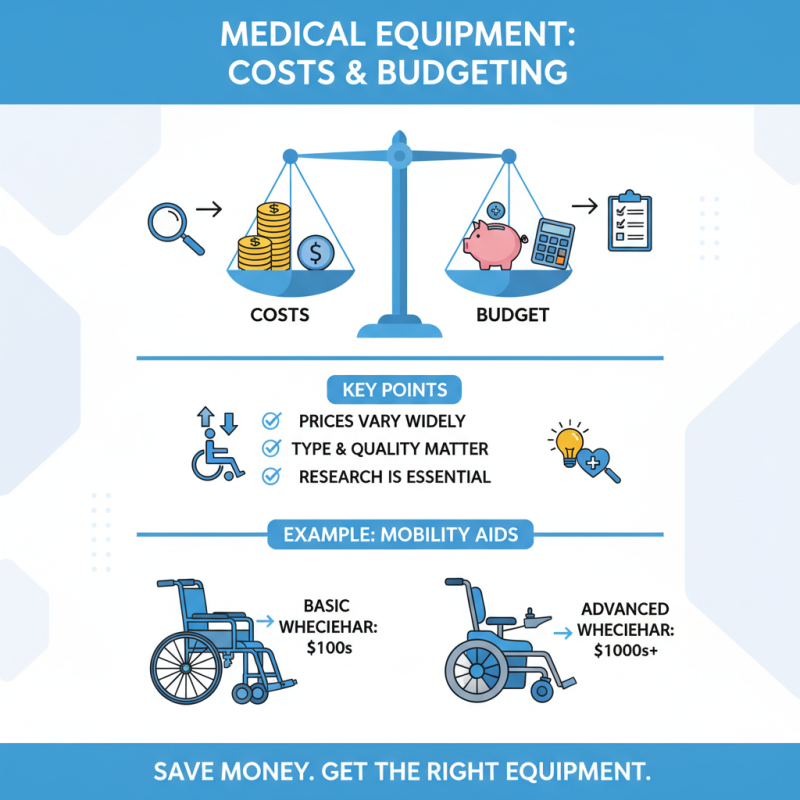
Budgeting for medical equipment can be challenging. Understanding costs is crucial. Prices vary widely based on type and quality. For instance, mobility aids like wheelchairs range in price greatly. Some may cost a few hundred dollars, while others can exceed thousands. Therefore, research is essential.
Before making a purchase, consider your specific needs. Will the equipment be used daily? Is durability a factor? Finding reliable information can help guide you. There are many resources available online. Compare prices from different suppliers. Look beyond the sticker price. Maintenance and repair costs also add up over time.
Don’t rush the decision. Sometimes, cheaper options might not meet your needs. Invest time in evaluating your choices. Reflect on your long-term requirements. This can prevent future financial strain and ensure you select the most suitable equipment. Balancing quality and cost will enhance your experience with the equipment.
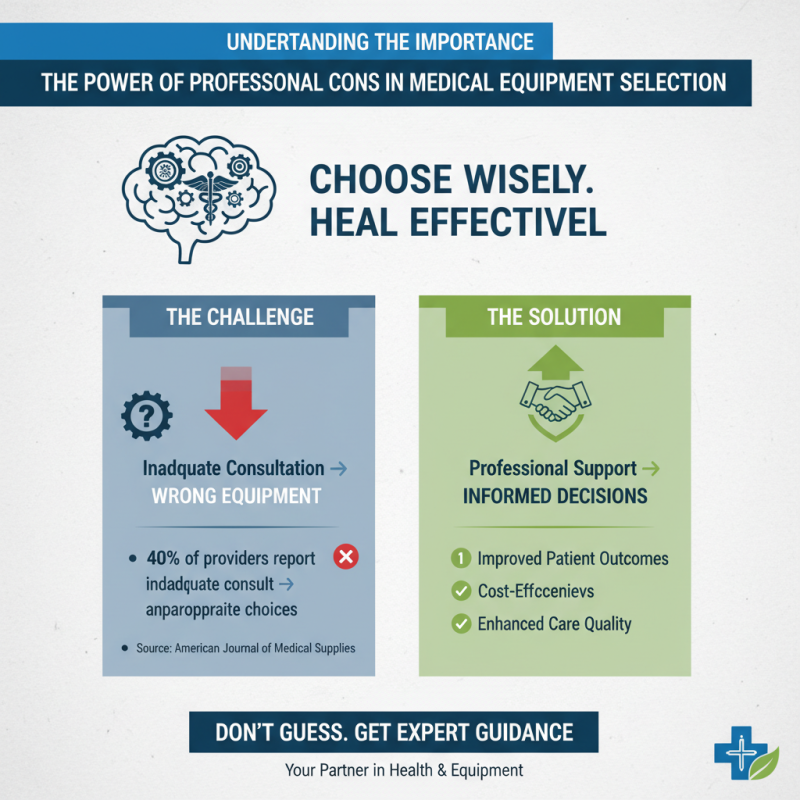
Choosing the right medical supply equipment is crucial for effective patient care. Seeking professional consultation is often overlooked, but it can significantly affect outcomes. According to a study published by the American Journal of Medical Supplies, nearly 40% of healthcare providers reported that inadequate consultation led to inappropriate equipment selections. This highlights the importance of knowledgeable support in the selection process.
Professional consultants can assess individual needs. They consider factors such as specific medical conditions, patient mobility, and even budget constraints. A report from the Healthcare Supply Chain Association states that organizations that utilize professional guidance often experience a 15% reduction in equipment costs. This reflects not only financial benefits but also improved patient satisfaction.
However, not all consultations are equal. Some medical professionals may have limited experience in specific equipment types. This gap can result in misguidance. Therefore, it is essential to verify the credentials of those offering support. A thorough vetting process ensures that you receive expert advice tailored to your unique situation. Recognizing these aspects will lead to better choices and, ultimately, enhanced patient care.