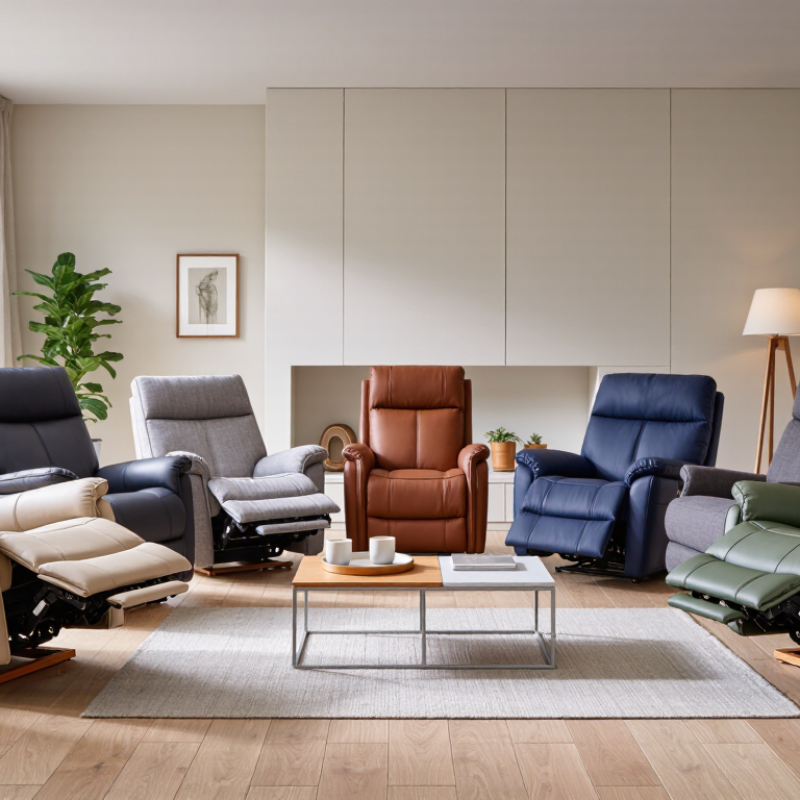
Choosing among China’s top 10 lift recliners can feel straightforward until Medicare enters the discussion. The key question is not simply where the chair was manufactured. It is whether the product includes a Medicare-recognized seat-lift mechanism, supports a documented medical need, and comes from an eligible supplier. In most cases, Medicare Part B may cover part of the lift mechanism, but not the full recliner, upholstery, massage functions, heat, or luxury features.
Medicare policy specialist Danielle K. Roberts, co-founder of Boomer Benefits, explains, “Medicare may cover the seat-lift mechanism, but not the chair itself.” That distinction matters. A $900 imported recliner may look affordable, yet Medicare could reimburse only the medically necessary mechanism. The remaining cost may include the frame, fabric, delivery, assembly, and non-covered upgrades.
Documentation matters.
A physician or other qualified healthcare provider generally must certify that the beneficiary has a severe mobility limitation and can benefit from the equipment. The supplier may also need to accept Medicare assignment and submit the correct paperwork. Not every online seller can do this. Some Chinese manufacturers sell reliable chairs, but product quality, warranty support, electrical certification, and Medicare billing eligibility are separate issues.
This article compares ten popular Chinese lift recliners through that practical lens. It examines lifting performance, weight capacity, control design, safety features, replacement parts, and supplier transparency. Readers should still confirm current coverage with Medicare, their doctor, and the supplier before purchasing. Policy details can change. Even this guidance deserves a careful second look.
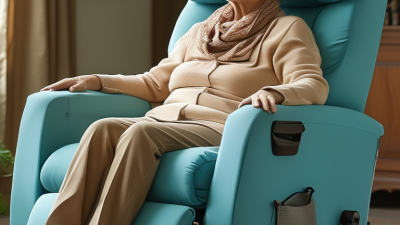
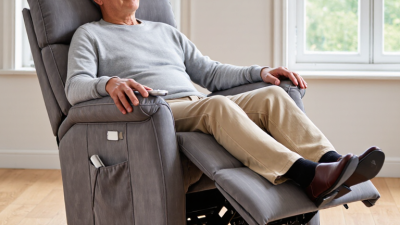
A lift recliner is an electrically powered chair that tilts and raises the seat. It helps a user move from sitting to standing with less leg and hip strain. The mechanism does not lift the person completely. Instead, it angles the seat forward and supports a slower transfer.
The CDC reports that about one in four U.S. adults lives with a disability. Mobility difficulties remain the most common disability category in its Disability and Health Data System. Falls also affect many older adults. The CDC’s STEADI initiative notes that more than one in four adults aged 65 and older falls each year. A lift recliner cannot prevent every fall. It may reduce risky pushing from a low cushion.
Good fit matters more than appearance. The user’s feet should rest firmly on the floor before lifting. The knees should stay near a right angle. Controls must be reachable with limited hand strength. A caregiver should test the chair beside a stable walking aid. The National Institute on Aging recommends discussing mobility changes with a healthcare professional. That advice is easy to ignore, but chair height can affect transfers, swelling, and back comfort. Medicare coverage is a separate issue and usually depends on medical necessity, documentation, and equipment rules. A comfortable chair is not automatically covered.
Medicare Part B may cover a lift recliner when its seat-lift mechanism is medically necessary. A doctor must document that you cannot stand or sit safely without assistance. The condition should affect your daily mobility, not simply your comfort. Arthritis, severe weakness, or certain neurological conditions may support the claim, but approval depends on medical records.
The coverage is narrower than many people expect. Medicare usually pays for the approved seat-lift mechanism, not the entire recliner. Upholstery, padding, massage features, heating functions, and upgraded materials may remain your responsibility. After meeting the Part B deductible, you may generally pay 20% of the Medicare-approved amount. The supplier must also accept Medicare assignment and meet Medicare’s durable medical equipment requirements.
Medicare Advantage plans can follow different rules. Some plans may offer broader benefits, but prior authorization or specific supplier networks may apply. Ask your doctor to explain the functional limitation in clear terms. Request a written order before delivery. Keep the medical notes and supplier estimate.
Check carefully.
A practical problem is that some sellers describe a chair as “Medicare covered” when only one component qualifies. That wording can mislead families. Confirm the exact covered part, your expected payment, and whether delivery charges are excluded. Rules and plan benefits can change, so verify details with Medicare or your plan administrator before purchasing.
Under Original Medicare Part B, a medically necessary seat-lift mechanism may be covered as durable medical equipment when eligibility and prescription requirements are met. After the Part B deductible, Medicare generally pays 80% of the Medicare-approved amount and the beneficiary pays 20% coinsurance. Medicare generally does not cover the cost of the entire lift recliner chair. Medicare Advantage plans may have different rules and costs.
Medicare eligibility focuses on medical need, not comfort or convenience. According to the Centers for Medicare & Medicaid Services (CMS) Medicare Coverage Database, Part B may cover the seat-lift mechanism when a doctor documents severe hip or knee arthritis, or a qualifying neuromuscular condition. The patient must also be unable to stand from an ordinary chair. After standing, the patient should still be able to walk independently or with assistance. A lift recliner used mainly for relaxation usually does not qualify.
CMS generally covers the approved mechanism, not the complete recliner. Upholstery, massage features, heating functions, and upgraded cushions may remain the patient’s responsibility. Part B rules commonly require the annual deductible and 20 percent coinsurance. The supplier must also accept Medicare assignment. The 2024 Medicare Trustees Report recorded 67.7 million Medicare beneficiaries in 2023, showing how important consistent documentation has become. Yet the process is not perfectly intuitive. A doctor’s note alone may still be insufficient without functional details.
Tips: Ask the physician to describe the failed chair-transfer attempt, walking ability, diagnosis, and expected treatment benefit. Request a written Medicare estimate before ordering. Check the supplier’s enrollment status. Keep the prescription, examination notes, and denial letters. Rules can change, and coverage decisions may vary when records are vague.
| No. | Coverage or Eligibility Factor | Medicare Standard | What the Patient Should Confirm |
|---|---|---|---|
| 1 | Basic Medicare coverage status | Limited Coverage Original Medicare Part B may cover a medically necessary seat-lift mechanism, but it generally does not cover the complete recliner, upholstery, padding, or ordinary comfort features. | Ask the supplier to separate the Medicare-covered seat-lift mechanism from non-covered chair costs before purchase. |
| 2 | Medical necessity | Required The equipment must be reasonable and necessary for the treatment of an illness or injury, rather than being purchased mainly for convenience or relaxation. | The treating clinician should document the patient’s diagnosis, functional limitation, and why a seat-lift mechanism is medically necessary. |
| 3 | Qualifying medical condition | CMS rules identify severe arthritis of the hip or knee, or a severe neuromuscular disease, as examples of conditions that may support coverage when other requirements are met. | A diagnosis alone is not enough; the medical record must also explain how the condition prevents the patient from standing independently from a regular chair. |
| 4 | Ability to walk after standing | Required The patient must be able to ambulate once the seat-lift mechanism has helped the patient stand. A device intended only to lift a person into a standing position without subsequent walking may not meet the standard. | The clinician should record the patient’s ability to walk after standing, including whether walking is possible with an assistive device. |
| 5 | Inability to stand from an ordinary chair | Required The patient must have a documented impairment that makes standing from a regular chair medically difficult or impossible without assistance. | A functional assessment should describe transfer difficulty, strength or mobility limitations, fall risk, and the assistance normally required. |
| 6 | Physician or qualified practitioner order | Required Medicare-covered durable medical equipment generally requires an order or prescription from an eligible treating practitioner and supporting clinical documentation. | Obtain the order before delivery and ensure that the patient’s medical record supports every element of the coverage criteria. |
| 7 | Medicare-enrolled supplier | Required The supplier should be enrolled in Medicare and authorized to provide the applicable durable medical equipment. | Verify supplier enrollment and ask whether the supplier accepts Medicare assignment for the covered mechanism. |
| 8 | Patient cost sharing | After the applicable Part B deductible is satisfied, the patient generally pays 20% of the Medicare-approved amount for covered durable medical equipment when the supplier accepts assignment. Non-covered chair features may be charged separately. | Request a written estimate showing the approved amount, deductible, coinsurance, delivery fees, and all non-covered components. |
| 9 | Medicare Advantage plans | Plan-Specific Medicare Advantage plans must cover medically necessary services covered by Original Medicare, but they may use different networks, authorization procedures, suppliers, and cost-sharing rules. | Contact the plan before ordering and confirm prior authorization, in-network supplier requirements, benefits, and the patient’s final cost. |
| 10 | Product design and documentation | A lift recliner may qualify only to the extent that it contains a Medicare-eligible seat-lift mechanism. Electric reclining functions, massage functions, heat, premium materials, and general comfort features are not automatically covered. | Keep the product specification, itemized invoice, prescription, medical records, delivery documentation, and supplier coverage determination for future claims or appeals. |

Medicare approval for a lift recliner depends on the lifting mechanism, not the chair’s country of manufacture. Under Medicare Part B, a beneficiary may qualify when severe arthritis, muscular weakness, or another documented condition makes standing difficult. A doctor must certify medical necessity and explain why the seat-lift device could improve movement. Medicare.gov states that Part B generally pays 80% of the approved amount after the deductible. The beneficiary may pay the remaining 20%, plus any excess charges.
The claim process begins with a face-to-face medical evaluation. The physician records the diagnosis, mobility limits, and expected benefit. The supplier must then provide a Medicare-approved seat-lift mechanism and submit supporting documents. CMS Medicare Coverage Database policy L33794 distinguishes the covered mechanism from the non-covered recliner furniture. That difference matters. Medicare usually does not pay for upholstery, massage functions, heating systems, or luxury upgrades. CMS Medicare Learning Network guidance also stresses complete records and supplier enrollment. One missing signature can delay payment.
Tips:
Ask the supplier for an Advance Beneficiary Notice before ordering. Keep the prescription, medical notes, receipts, and delivery confirmation. Check whether the supplier accepts assignment. Confirm the Medicare-approved amount in writing. Coverage rules can feel straightforward, but they are not always predictable. A denied claim may require an explanation, correction, and formal appeal. Be cautious with online “guaranteed approval” promises; Medicare makes the final decision.
When comparing China’s top 10 lift recliners, look beyond appearance and low prices. A useful chair should raise the user smoothly, support the hips, and stop without sudden movement. Check the motor’s noise, weight capacity, footrest alignment, emergency return function, and warranty terms. A firm seat edge can make standing easier, especially for someone with weak knees.